
Everything your anesthesiologist wants you to know,
explained like you're family.
Five phases. Zero surprises.
We walk you through every stage of your anesthesia experience — from the first phone call to the moment you ask for crackers in recovery.

"What will they actually ask me?"
Your first conversation with your anesthesiologist
Before any procedure, a board-certified anesthesiologist reviews your full medical history — medications, allergies, prior surgeries, and the things you haven't mentioned yet because you weren't sure they mattered. They do matter. This conversation typically takes 20–30 minutes and shapes every decision made in the operating room.
Bring a list of all medications, including vitamins and supplements. Mention any family history of anesthesia reactions.

"Can I really not have coffee?"
Why nothing by mouth — and for exactly how long
The rule exists because a full stomach during anesthesia carries real risk. Modern guidelines are more nuanced than the old "nothing after midnight" rule: clear liquids are typically allowed up to 2 hours before, light meals up to 6 hours, and heavier meals up to 8 hours. Your anesthesiologist will give you exact times based on your specific procedure and start time.
Clear liquids include water, apple juice, black coffee (no cream), and clear broth. Not orange juice. Not smoothies.
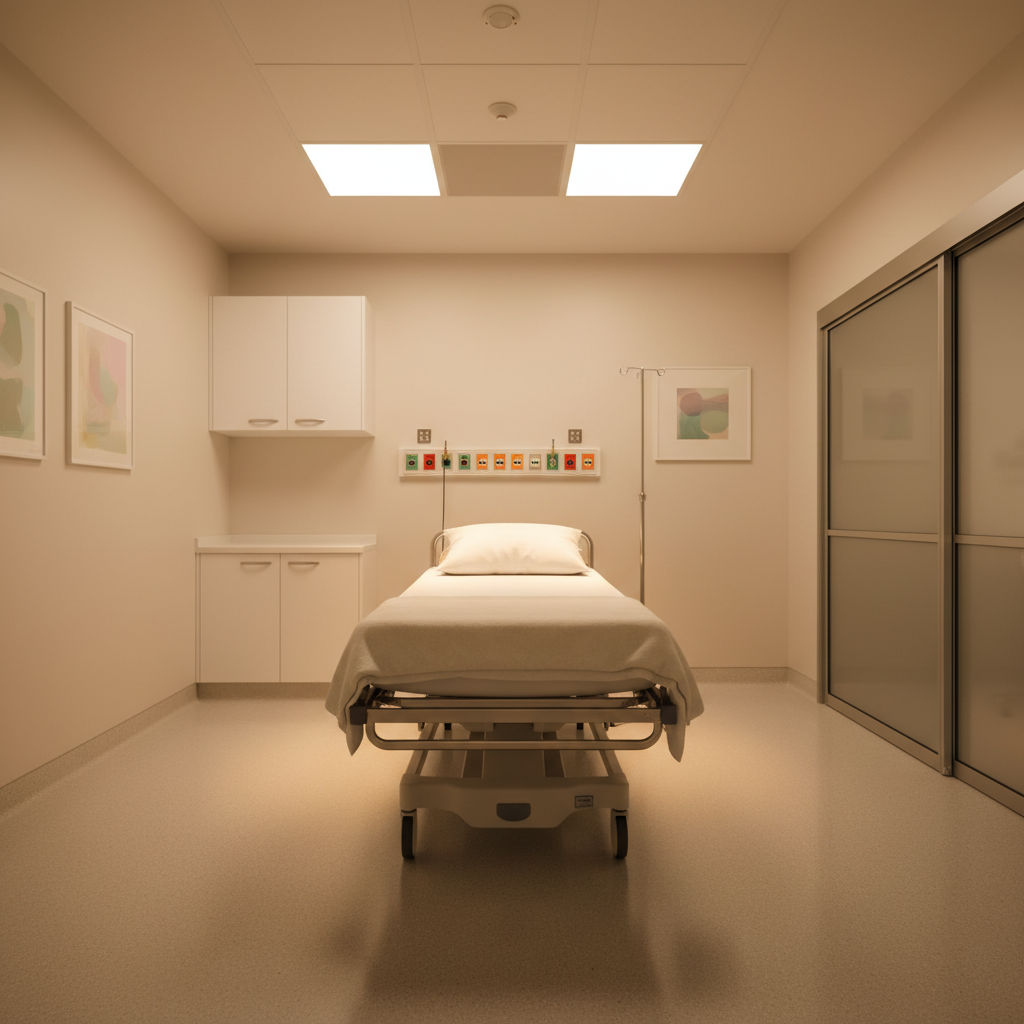
"What happens right before they take me in?"
The waiting room with warm blankets and an IV
The pre-operative holding area is where your body and mind get their last preparation. A nurse places your IV — usually in the back of the hand or forearm. Vital signs are checked. Your surgical team introduces themselves. You'll receive pre-medications that begin relaxing your nervous system before you ever reach the operating room. Many patients say this is the moment their fear starts to ease.
You can ask for a warm blanket at any time. The nurses in pre-op have heard every question and will not rush you.
Now that you know what a consultation covers —
Schedule Your Pre-Anesthesia Consultation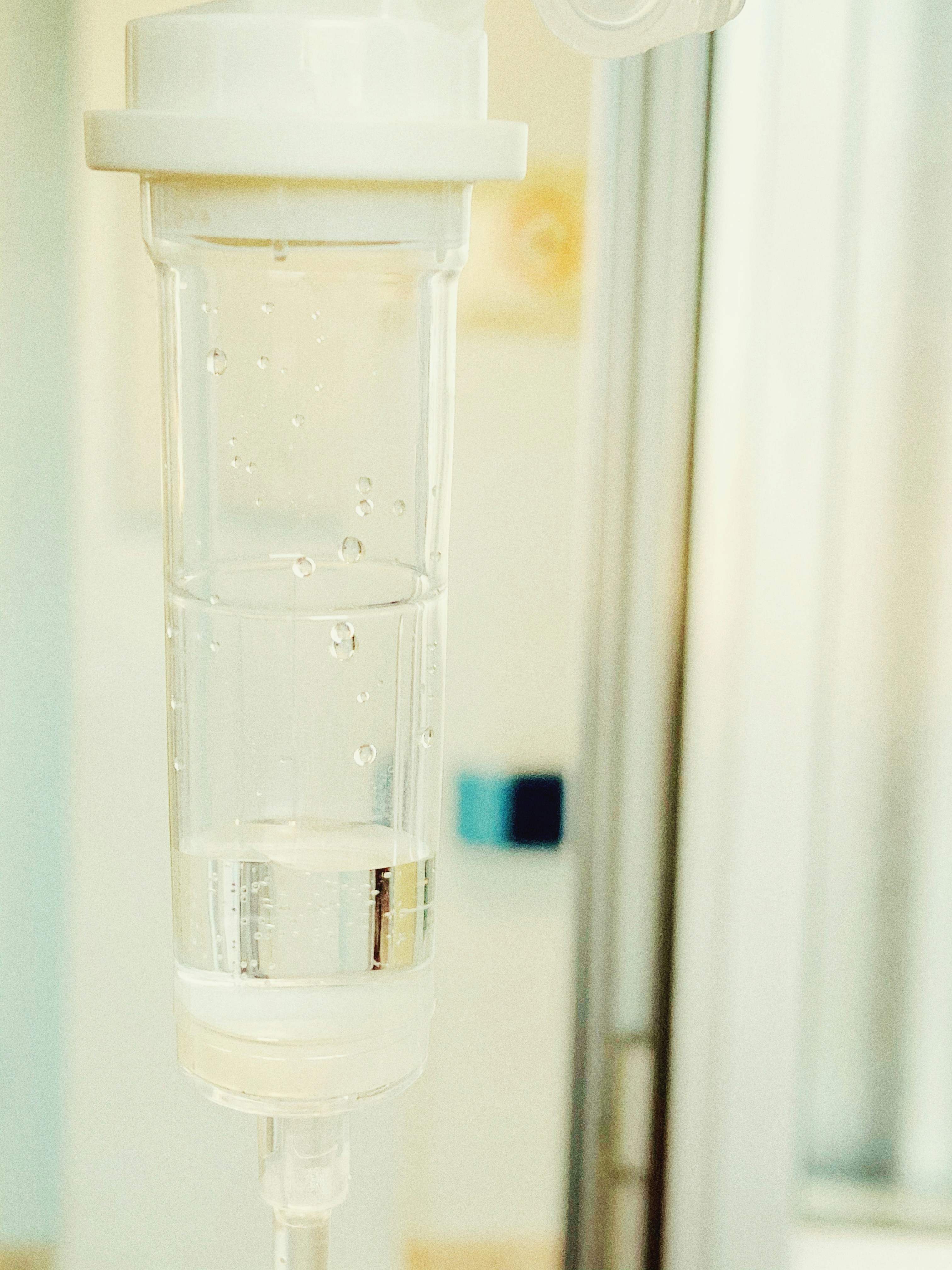
"Will I count backwards? Will I feel anything?"
The moment anesthesia begins — what you will and won't feel
Induction is the transition from awake to unconscious. It happens in under 60 seconds. Most patients receive medication through their IV that feels like a cool rush up the arm, followed by a sensation of floating, then nothing. You will not be aware of the procedure. You will not feel pain. Awareness under anesthesia is extremely rare — occurring in roughly 1 in 19,000 cases — and your anesthesiologist monitors your depth continuously throughout.
Your anesthesiologist stays in the room for your entire procedure. They are not doing something else.

"Why do I feel so disoriented when I wake up?"
Waking up: what's normal, what to expect, when to speak up
The recovery room — called the PACU — is where anesthesia is carefully reversed. Waking up can feel slow and strange. You may feel cold, confused, or emotional. Nausea is common and treatable. Nurses monitor your oxygen, blood pressure, and pain level every few minutes. Most patients are transferred to a regular room or discharged within 1–2 hours, depending on the procedure.
Tell your recovery nurse immediately if you feel nauseous, have unusual pain, or feel like something is wrong. There is no wrong answer.
Every word here was written
by an anesthesiologist.
Not a content team. Not a medical writer working from a textbook. The physicians who wrote these pages are the same physicians who will stand beside you in the operating room — and they wrote what they wish every patient already knew walking in.
12,000+
Pre-surgery consultations guided
18 yrs
Average anesthesiologist experience
99.7%
Patient satisfaction in post-op surveys
24 / 7
Educational content available
Credentials & Affiliations
“The single most effective thing we can do to reduce patient anxiety is explain exactly what will happen — in plain language, before it happens. An informed patient is a calmer patient. A calmer patient recovers faster.”
Dr. Rachel Okafor, MD
Board-Certified Anesthesiologist, Founder of Sedate
The questions patients ask at 2 a.m.
These are the real searches patients make the night before surgery. We answer them plainly, without softening the truth or hiding behind medical language.
Still have a question?
Your consultation is the place to ask anything — including the things on this list.
Book a ConsultationSchedule Your Pre-Anesthesia Consultation
A 30-minute conversation that answers everything you've been afraid to ask — before the day you need the answers most.
Not ready to book yet?
Download our Pre-Surgery Checklist — a one-page guide covering what to bring, what to stop, and what to tell your surgeon.
What to expect after you submit
- A board-certified anesthesiologist reviews your form personally
- We call or email within one business day to confirm your time
- Your consultation is 30 minutes, by video or phone
- You can reschedule up to 24 hours before, no questions asked
Surgery in the next 48 hours? Call your hospital's anesthesiology department directly. This form is for scheduled consultations only.